
Commercial flat roofs across Bristol, Bath, Exeter, Plymouth and the wider South West are now central to meeting the UK’s tightening energy and carbon rules. The Approved Document L (2026) and Future Homes and Buildings Standard have raised performance requirements for new builds and major refurbishments, directly affecting offices, warehouses, retail parks, schools and healthcare buildings.
Flat roofs offer one of the fastest and most cost-effective routes to compliance, lower operating costs and stronger ESG performance in the region.


Regulatory Drivers: Part L 2026 and the Future Buildings Standard
The 2026 Part L updates impose stricter U-values, reduced thermal bridging and improved airtightness on flat roof build-ups. Existing commercial stock faces mounting pressure through EPC ratings, tenant demands and local authority net-zero targets, including Plymouth’s 2025–2028 carbon reduction goals.
Proactive flat roof upgrades deliver measurable improvements in energy performance and asset value while reducing long-term risk.
Global Market Signals Informing South West Decisions
The global buildings sector remains off-track for net-zero pathways. The GlobalABC Global Status Report 2024/25 confirms operational emissions from buildings are still rising, while energy intensity reductions fall well short of 2030 requirements.
Clear market growth underpins the shift:
- Green roof markets are expanding at 16–17% CAGR through 2030.
- Cool roof solutions show consistent growth, with low-slope applications leading demand.
- Sustainable construction and green materials markets are rising at 8.5–13.6% CAGR.
Investors, occupiers and planning authorities in the South West increasingly expect these standards on commercial properties.
High-Impact Flat Roof Solutions for the South West
Flat and low-slope roofs are ideally positioned for the interventions that deliver the greatest returns:
- Cool roofs — High solar reflectance membranes and coatings lower surface temperatures, cut cooling loads and extend membrane lifespan on large commercial buildings.
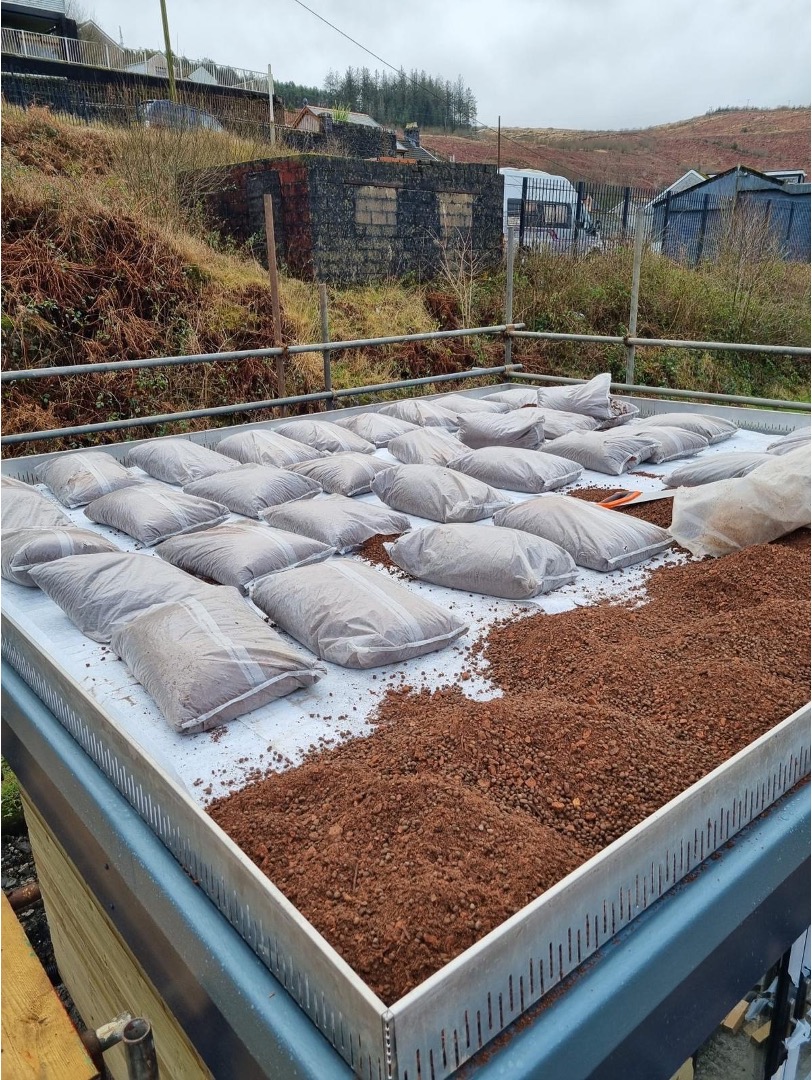
- Extensive green roofs — Provide stormwater attenuation, biodiversity net gain and additional insulation while supporting BREEAM credits and planning approval.
- Solar PV integration — Ballasted systems on flat roofs enable straightforward on-site generation; hybrid cool or green roof + PV combinations maximise energy and financial returns.
- High-performance insulation and circular materials — Meet the stricter 2026 Part L standards while supporting whole-life carbon reduction targets.
Robust, weather-resilient detailing remains essential given the South West’s exposure to wind-driven rain and coastal conditions.
| Metric | Current Position | 2030 Outlook | Impact on South West Flat Roofs |
| Buildings operational CO₂ | 9.8 Gt (still rising) | Significant reduction required | Major retrofit opportunity on existing commercial stock |
| Energy intensity | ~130–132 kWh/m² | ~96 kWh/m² target | Higher-spec insulation and cool/green systems now essential |
| Green roof market | ~£2 Bn+ | ~£5.3 Bn+ (16–17% CAGR) | Strong demand for extensive systems on commercial flat roofs |
| Cool roof market | Steady growth | Continued expansion (low-slope leading) | Quick wins for warehouses, offices and retail parks |
| Embodied carbon (new builds) | Increasing regulatory focus | ≥40% reduction target | Low-carbon and recycled-content membranes becoming standard |
Local Implications for Bristol, Bath, Exeter & Plymouth
The combination of Part L 2026 requirements, energy costs and ESG expectations creates a strong case for reviewing flat roof portfolios now. Mid-life commercial roofs across the South West can be upgraded to improve EPC ratings, reduce service charges and enhance climate resilience.
“South West businesses are moving from treating flat roofs as a maintenance liability to viewing them as a strategic asset for regulatory compliance, energy performance and long-term resilience. The 2026 Part L changes make early, well-specified upgrades essential rather than optional.”
Steve Bowen, Managing Director at Strandek
Recommended Next Steps
Property owners and facility managers should assess their flat roof stock against the 2026 standards and emerging ESG requirements. Early engagement with specialists avoids higher costs later and positions assets more strongly with tenants and investors.
Strandek provides specialist flat roofing expertise across Bristol and the South West. We deliver compliant, high-performance cool roof, green roof, PV-ready and advanced insulation systems tailored to local conditions and regulatory demands.
Contact our team today for a site survey and clear recommendations on future-proofing your flat roofs.